Planning, Organization, and Control of Football Training
The planning, organization, and control of a football training session are always based on the general planning and structure created at the beginning of the season, where we organize the work into phases or cycles for each period, whether it’s preparation or competition. Once the seasonal structure is established, here are some tips for controlling […]
28 Feb 2024 • Atualizado 12 Mar 2024

The planning, organization, and control of a football training session are always based on the general planning and structure created at the beginning of the season, where we organize the work into phases or cycles for each period, whether it’s preparation or competition. Once the seasonal structure is established, here are some tips for controlling and developing a football training session
Planning:
- Establish specific goals for the training session, such as improving physical condition, developing tactical skills, working on individual technique, etc.
- Determine the duration of the training and divide it into time segments for each component (warm-up, tactical work, technical exercises, practice matches, cooldown, etc.).
- Assess the team and players’ needs in terms of skill level, physical condition, injuries, etc.
- Select appropriate exercises and activities to achieve the established goals.
- Adapt the training according to weather conditions, available facilities, and other external factors.
Organization:
- Create a detailed training plan including the schedule, exercises, player distribution, necessary equipment, etc.
- Assign roles and responsibilities to the coaching staff and support personnel (assistants, fitness coaches, physiotherapists, etc.).
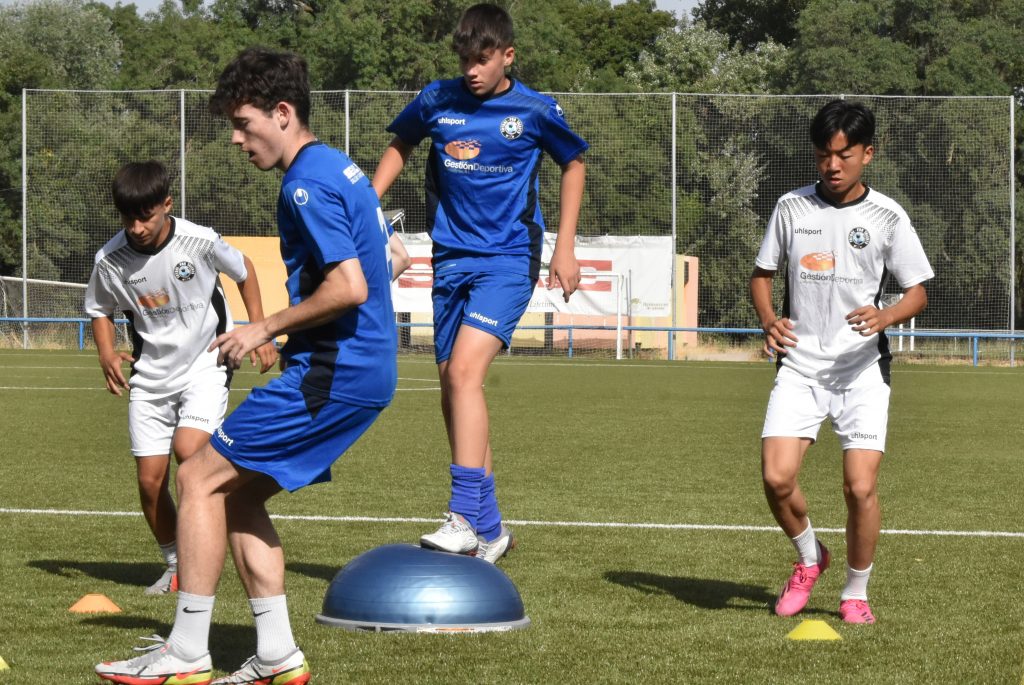
- Prepare the training space, ensuring it is clean, safe, and equipped with all necessary equipment (cones, balls, hurdles, etc.).
- Establish a clear communication system for instructions and feedback during training.
- Organize work groups according to players’ specific needs (e.g., separating players by position or skill level).
Control:
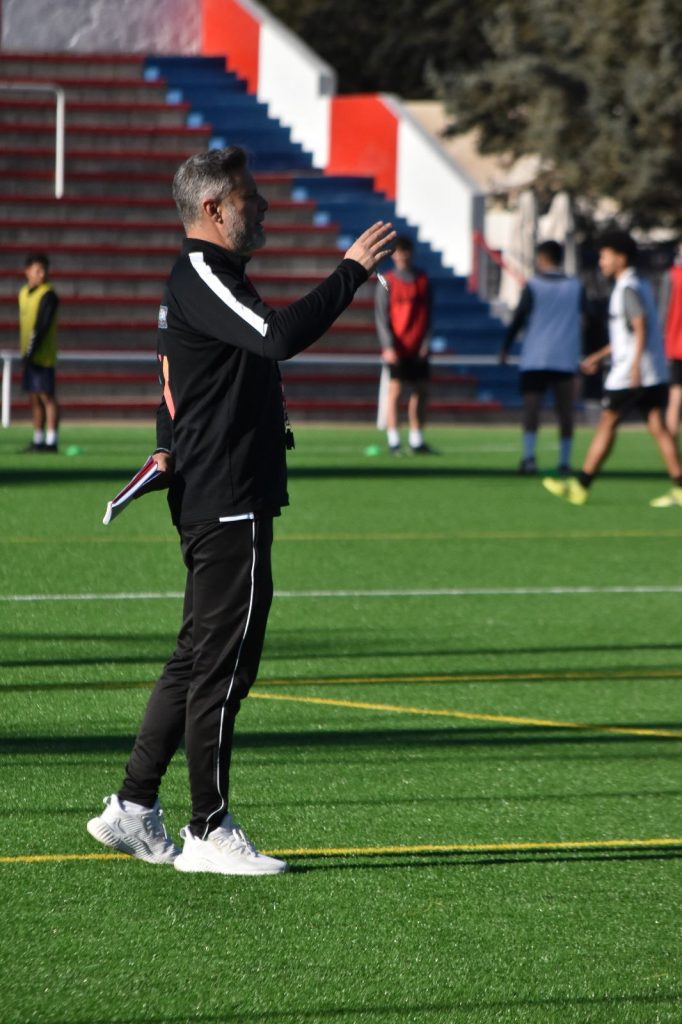
- Monitor players’ progress during training, observing their technical execution, tactical understanding, and effort level.
- Provide immediate feedback and corrections when necessary to improve individual and team performance.
- Maintain records of attendance, injuries, performance in specific exercises, etc., to evaluate progress over time.
- Adjust training according to identified needs during the session, such as fatigue, sudden injuries, lack of concentration, etc.
- Evaluate the achievement of established goals at the end of the training and adjust future planning accordingly.
It’s essential to maintain a balance between training intensity and the care of players’ health and well-being. Open communication and collaboration between the coaching staff and players are key to success in planning, organizing, and controlling football training sessions.